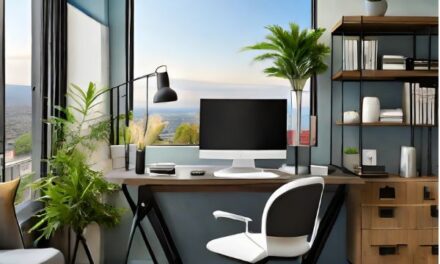
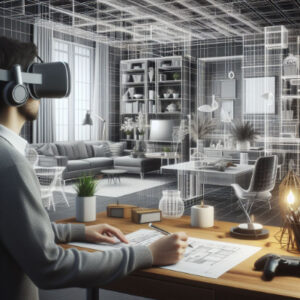
 Interior design has always been a symphony of art and function, a creative endeavor to draw out the beauty and utility of a space. But, as we ride the wave of the 21st century, the tools at our disposal are evolving at an unprecedented pace. With the touch of a button or the flick of a switch, the latest technological innovations are reshaping how we think about and interact with our environments. From Smart Homes to 3D printing, and from Virtual Reality (VR) to Big Data, these are not merely buzzwords, but powerful instruments that are tuning the future of interior design. So, fellow design aficionados, let’s embark on a journey through the wonderland of tech-savvy interior design!
Imagine walking into a room and having it respond to your presence. Smart Home technologies have made that possible, determining atmosphere through lighting, temperature, and even the scent of the environment. The smart tech doesn’t stop there. Kitchens have become wiser, helping us to keep track of groceries, while smart ovens can effortlessly guide us through recipes, adjusting temperatures for perfect culinary results. The future of domestic bliss is at our command, harmonizing comfort with a high-tech edge.
Transitioning from high-tech kitchens to smart lighting systems sheds light, quite literally, on how we can create dynamically responsive spaces. From mood-based lighting palettes to lights that adapt based on the time of day or weather, control has never been more intuitive or more conducive to well-being.
While the ambience adjusts to your whim, 3D printing is busy revolutionizing the way we actualize design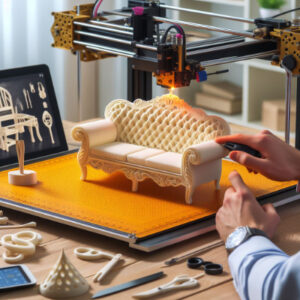 concepts. Tailor-made furniture and custom decor items can be crafted from digital models, offering a degree of personalization that was once the exclusive purview of high-end design firms. The power to turn vision to reality is now in the hands of anyone with access to a 3D printer.
Augmented Reality (AR) offers its magic lens to the world of interior design, superimposing our creative ideas onto the real world. Through AR, we can visualize that sleek new sofa or that avant-garde painting in our homes, well before we make the investment. It’s a crystal ball that allows us to glimpse the future of our spaces—and it’s astonishingly accurate.
Virtual Reality (VR) takes things a step further, creating immersive mock-ups of potential designs that we can walk through and experience, adjusting elements in real-time to suit our preferences or to test different configurations. The design process becomes a journey, one that’s limitless and thoroughly enchanting, as we step into worlds curated by our imagination and shaped by technology.
Now, let’s zoom out a bit and look at the bigger picture—using Big Data and Digital Twins. Analytics help to understand space utilization, energy consumption, and patterns of movement within a space. This data becomes the foundation on which smarter, more efficient, and tailor-made designs are created. Digital Twins, virtual replicas of physical spaces, go hand-in-hand with this data-driven approach, offering a sandbox for testing designs and their impacts without laying a single brick.
What we see as an evolution in interior design is not just about flashier ways to decorate; it’s a profound shift towards more sustainable, efficient, and healthy lifestyles. It’s about embracing innovation that allows design to aid us in our quest for well-being and harmony with our environment.
As these technologies converge and become increasingly accessible, the role of interior designers is simultaneously elevated and democratized. Gone are the days of thumbing through hefty catalogs or relying solely on one’s imagination. Today, designers are equipped with tools that allow them to craft spaces that are not only aesthetically pleasing but also deeply connected to the tenants of modern living—efficiency, personalization, and flexibility.
The art of interior design is experiencing a renaissance; it’s being redefined by innovations that stand at the intersection of comfort, creativity, and cutting-edge technology. It’s more than a trend; it’s an ongoing revolution, making the future of design an exciting realm that beckons with its infinite possibilities. From the homes we cherish to the offices we invent in, technology is offering us the paintbrushes to create our modern-day masterpieces.
In conclusion, as we explore every digital avenue, immerse ourselves in virtual realms, and harness the capabilities of smart technology, the role of interior designers grows ever more exciting. An era of limitless potential lies before us, where design is limited only by our imagination and our willingness to embrace these tools for innovation